The Silky Project: ‘From a Silky Oak Tree Stump to 21 Bronze Native Australian Animals’


Denise Orr
The Silky Project is officially underway, bringing together community spirit, artistic talent, and regional pride.
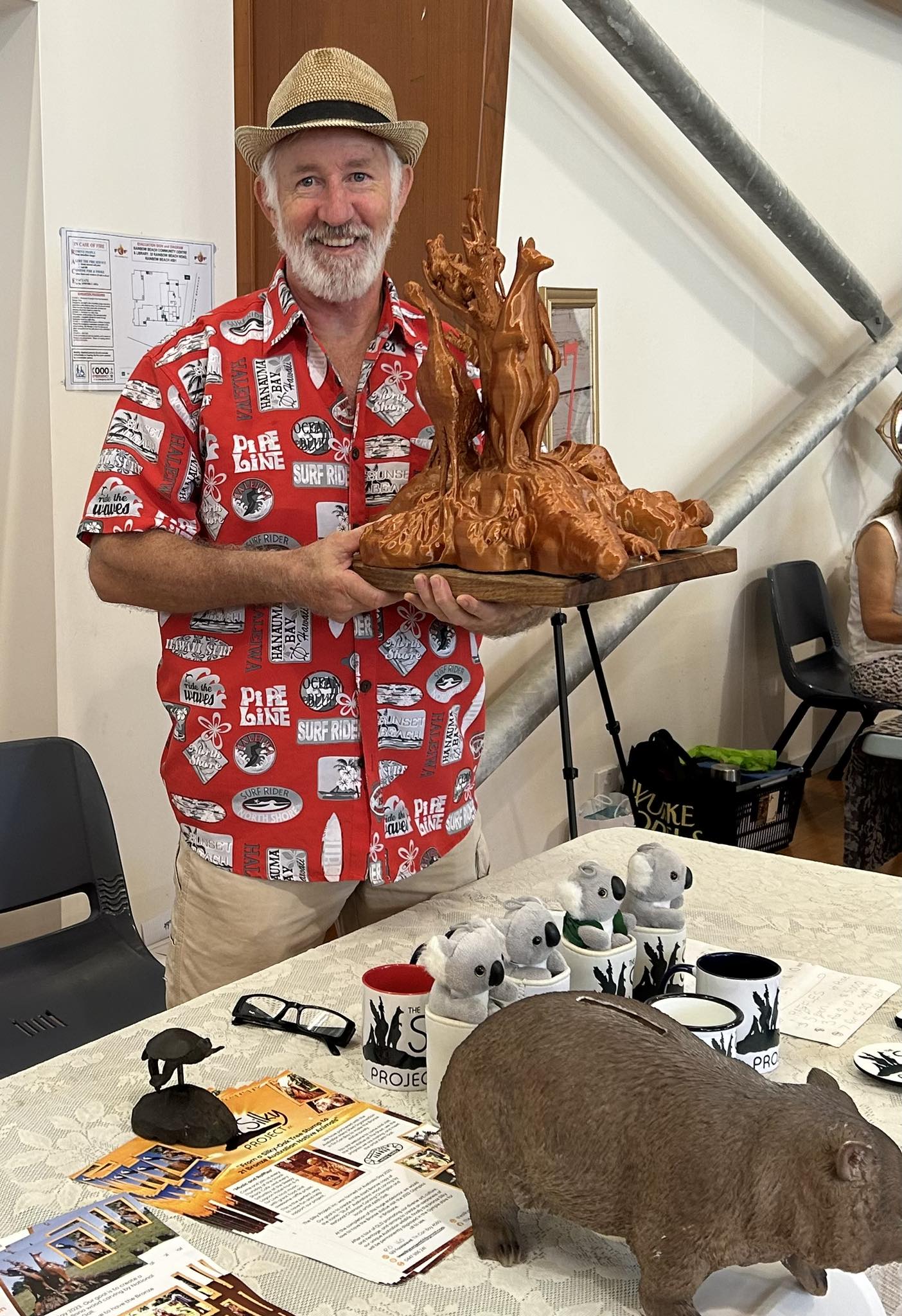
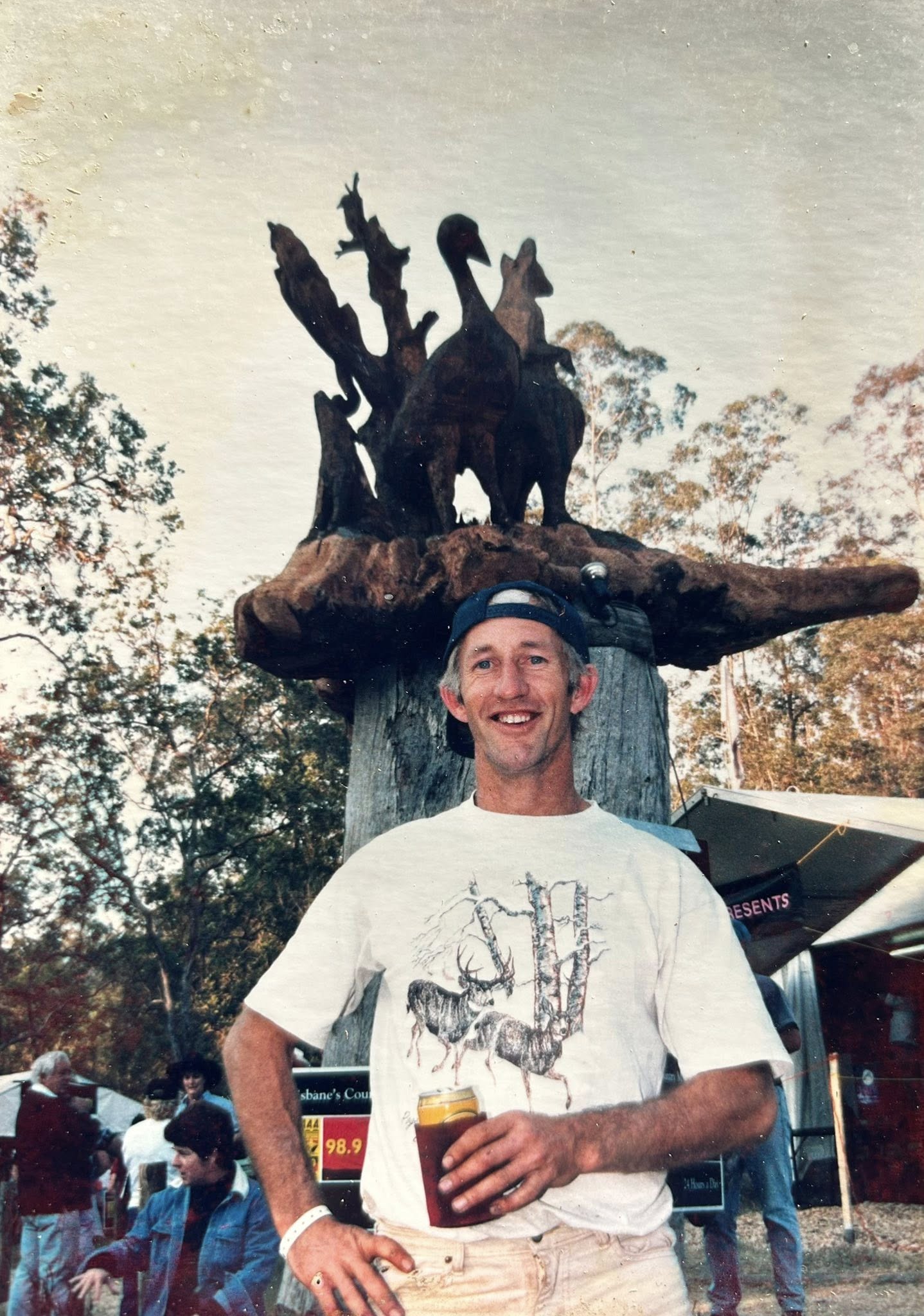
Local artist and Australian Champion Chainsaw Carver Keith Gall began this journey more than two decades ago when he carved a single Silky Oak tree stump into a breathtaking sculpture featuring 21 native Australian animals, birds, and reptiles.
Now, the project is entering its most ambitious stage — transforming that wooden masterpiece into a life-size bronze sculpture destined for the Brisbane 2032 Olympic Games.
The Bronze-Casting Process
Creating a bronze sculpture of this scale is a meticulous and labour-intensive process.
The original Silky carving will be divided into 60 individual moulds, each requiring layers of release agents, plaster, wax, and ceramic shell. These ceramic shells are then heated in a kiln, melting out the wax and vitrifying the mold to receive molten bronze at more than 1,000°C.
Each bronze section is later cleaned, welded, and refined before the entire piece is patinated and mounted for display.
Much of this hands-on work will take place at the Tin Can Bay Men’s Shed, where skilled volunteers will assist Keith through the complex stages of the lost-wax casting method.
Community Fundraising and Local Support
To support the enormous amount of labour and materials required, the Silky Project has launched a series of community-driven fundraising initiatives.
Keith and the Silky team are regularly attending both the Tin Can Bay Markets and the Rainbow Beach Markets, where locals and visitors can learn about the project, view progress, and purchase $5 raffle tickets.
The major raffle prize - a stunning $5,000 sapphire gem - has become a strong drawcard, helping raise essential funds for the next stage of casting.
Every Saturday night, supporters gather at the Sleepy Lagoon Hotel for the weekly Silky Project raffles, enjoying great meals, live music, and a friendly community atmosphere. These nights have already become a cornerstone of the project’s fundraising success.
Looking Toward 2032
Once completed, the bronze Silky sculpture will tour South-East Queensland, allowing communities across the region to experience this remarkable artwork before it appears at the Brisbane 2032 Olympics.
After the Games, the piece will be permanently installed in the Gympie region — a lasting legacy celebrating local art, native wildlife, and the community that helped bring it to life.
The Silky Project stands as a testament to what regional communities can achieve when they come together with passion and purpose. Keith and the Silky team thank all supporters and look forward to sharing more milestones as the project continues to grow.
Keep up to date with the project by following ‘The Silky Project’ on Facebook or check out www.thesilkyproject.info.